Afterlife Dust
Afterlife Dust is a fan rebuild of the versus mode of Phantom Dust (Xbox, 2004; re-released for Windows in 2017), the first project under Afterlife. It is written from scratch in Godot 4 and plays from the files of your own copy of the game.
The original is an arena action game with a card-game heart: you build an arsenal of 30 skills, pick them up as capsules during the match, and fight with whatever four you are holding. Its multiplayer is what people remember, and it is the part this project is about. Story mode is out of scope.
- Project status: what is done and what remains, regenerated from the repository.
- Decode notes: everything we have learned about the game’s formats, rules and rendering.
- Ledger: every part of the rebuild that is not yet the game’s own behaviour.
How it works
- You supply the game. The project contains no game files. A converter runs on your machine, reads your copy (the 2017 Windows release), and writes stages, characters, skills, effects, sounds and menus in open formats.
- The rebuild plays the converted data. Movement, lock-on, skills, capsules, stage destruction, the HUD and the match rules are our own code, written to follow the original tick by tick.
- Everything is decoded from the game. The project’s rule is pull from the game, don’t fake: a number or a look of our own is allowed only as a placeholder until the real one is decoded, and each placeholder is listed in the ledger.
The game logic is GDScript so that a web build is possible later. The converter is a separate GPL-3.0 tool built on Esper-RE.
What it does today
The rebuild is in development and has no public release yet. In the current private playtest builds (Linux and Steam Deck):
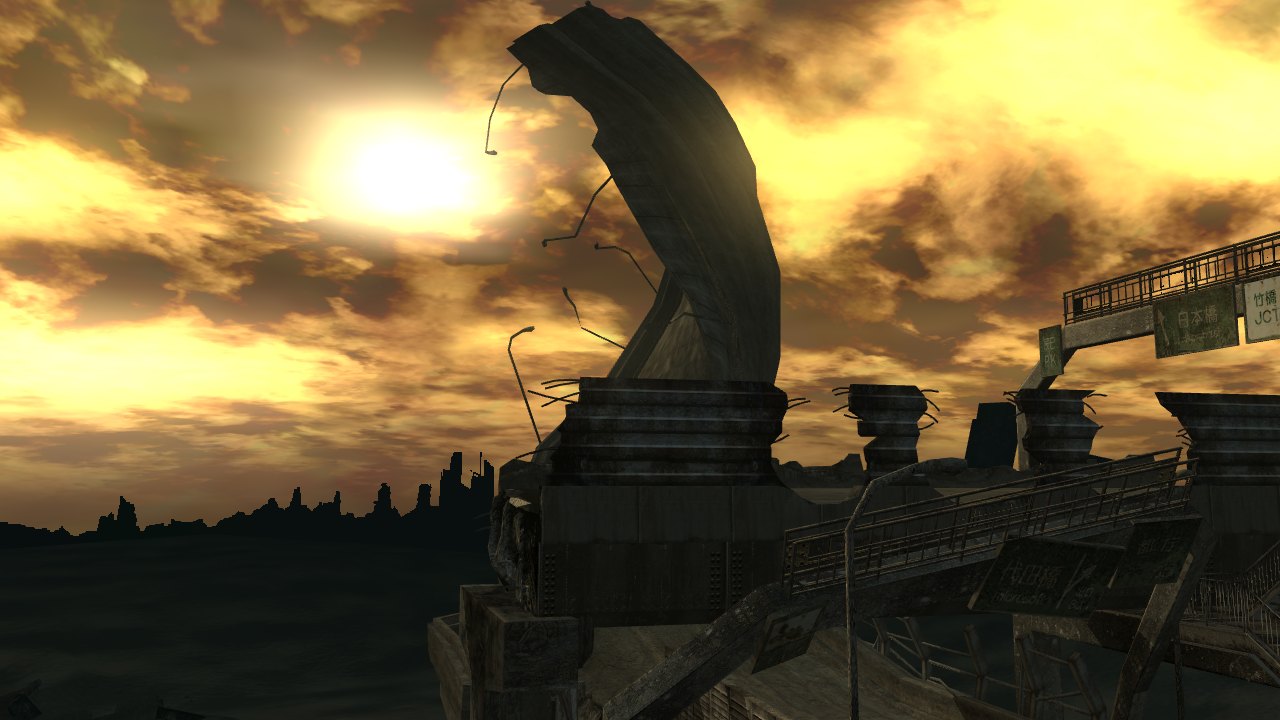
- All 19 versus arenas convert and load, with their lighting, sky, fog, breakable props and collapsing structures.
- Movement, the evade, lock-on and the camera follow the decoded game logic at the game’s 30 Hz tick.
- More than half of the game’s skill records are playable, across the projectile, melee, blade, defense, status and environment kinds, with capsules, aura and the arsenal rules.
- The game’s own CPU opponents run through our interpreter of their scripts.
- Two rebuild clients can play a match over the network.
- The game’s menus, HUD, fonts, sounds and music are read from the converted data.
The status page has the detail and is the place to watch.
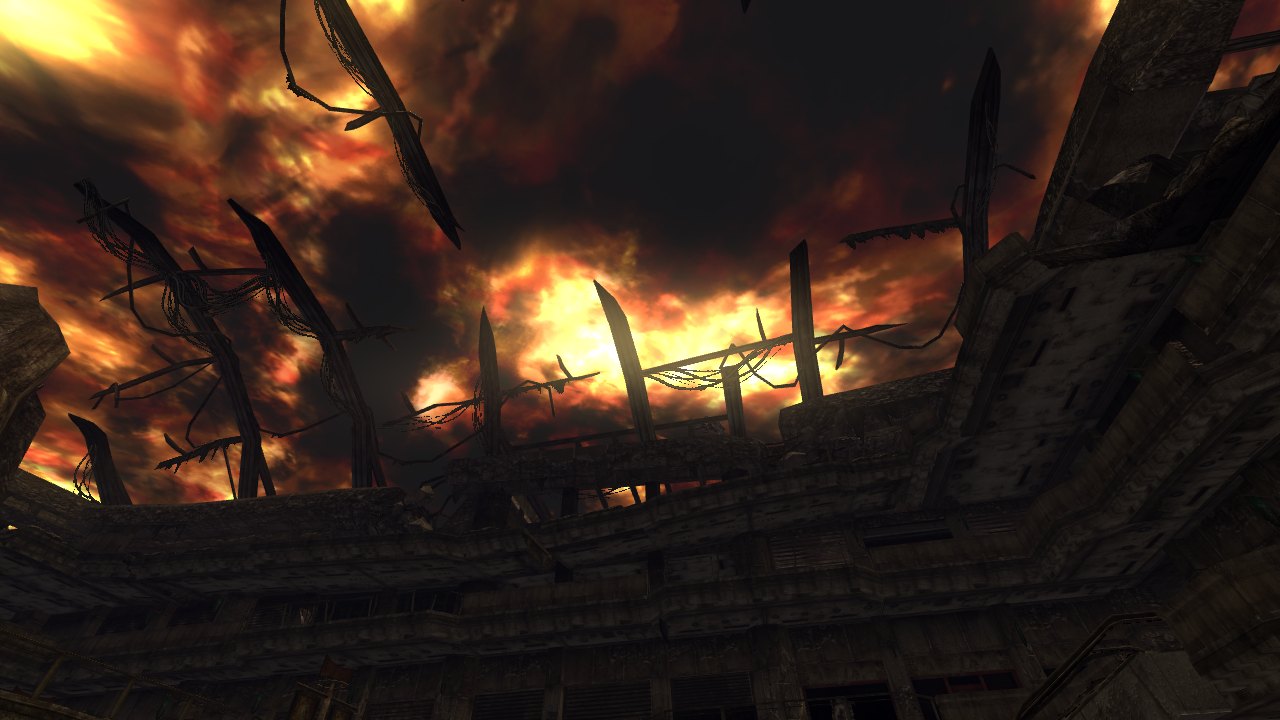
Screenshots on this page are of the rebuild in its Xbox look, running on converted data from our own copy of the game.
The Xbox look
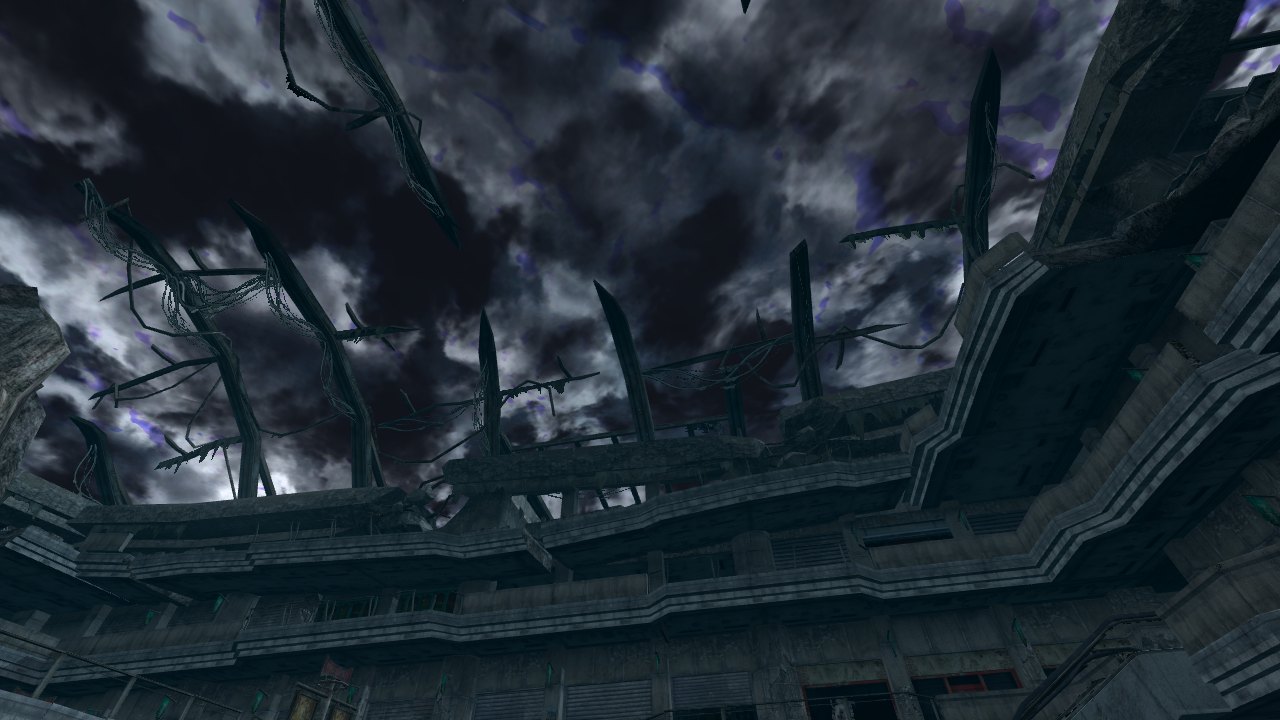
The 2017 Windows port does not look like the 2004 original: among other things the capsule shading and the fog changed. Where we can show that the port is the one that is wrong, the rebuild follows the original, decoded from the Xbox disc’s shaders, and keeps the port’s look as an option. See Xbox capsule shading and Xbox fog.
Roadmap
Roughly in this order:
- Movement parity with the original, checked tick by tick.
- Skill effects, family by family, compared against the game’s own debug viewer.
- The remaining skill kinds and their match-flow details.
- The game’s menus as the default way in, and the full HUD.
- Internet play between rebuild clients on the original network messages.
- Interoperability with the community’s existing online play, if its developers want it.
- A web build.
A longer-term idea is to keep the combat core separate from anything specific to Phantom Dust, so it could carry an original game one day.
Credits
- Esper-RE (GPL-3.0): the ALR library and format research our converter is built on.
- The Phantom Dust Modding Wiki and the community’s shared resource sheets, used as cross-checks.
- OpenSCCT and OpenMW, for showing how to do this properly.
- Godot Engine.
Disclaimer
Afterlife Dust is an unofficial fan project. It is not endorsed by or affiliated with Microsoft, and Phantom Dust is a trademark of the Microsoft group of companies. The project distributes no game content; you need your own copy of the game. Microsoft’s rules for fan work are at xbox.com/developers/rules.